

There is a particular kind of patience built into Canberra working weeks, where the arvo tea break gets shortened by a stack of approvals and a browser loaded with tabs you forgot to close. For adults who already spend the day managing commercial calendars, the last thing they want from a casual gaming session is another layer of tracking scripts, pop-under redirects, or a lobby that feels like it was assembled by a committee. Playing pokies on Brave browser has started to read differently to people who care about how a session actually begins and ends: less about chasing a novelty, more about whether the product itself keeps its promises when the network drops and the queue forms.
That is the frame worth keeping in mind before any deposit, because the practical question is not whether a browser can render a lobby, but whether the whole setup respects the same discipline you would expect from a well-run commercial product. When I have sat across the table from operators in media and entertainment who are trying to convert attention into repeat engagement, the pattern is consistent: friction that looks small on day one compounds fast once a user is five minutes in and already deciding whether to stay. A browser-based setup can strip out a fair bit of that background noise, but it still has to earn the session through the lobby itself.
What the lobby actually offers once you open it
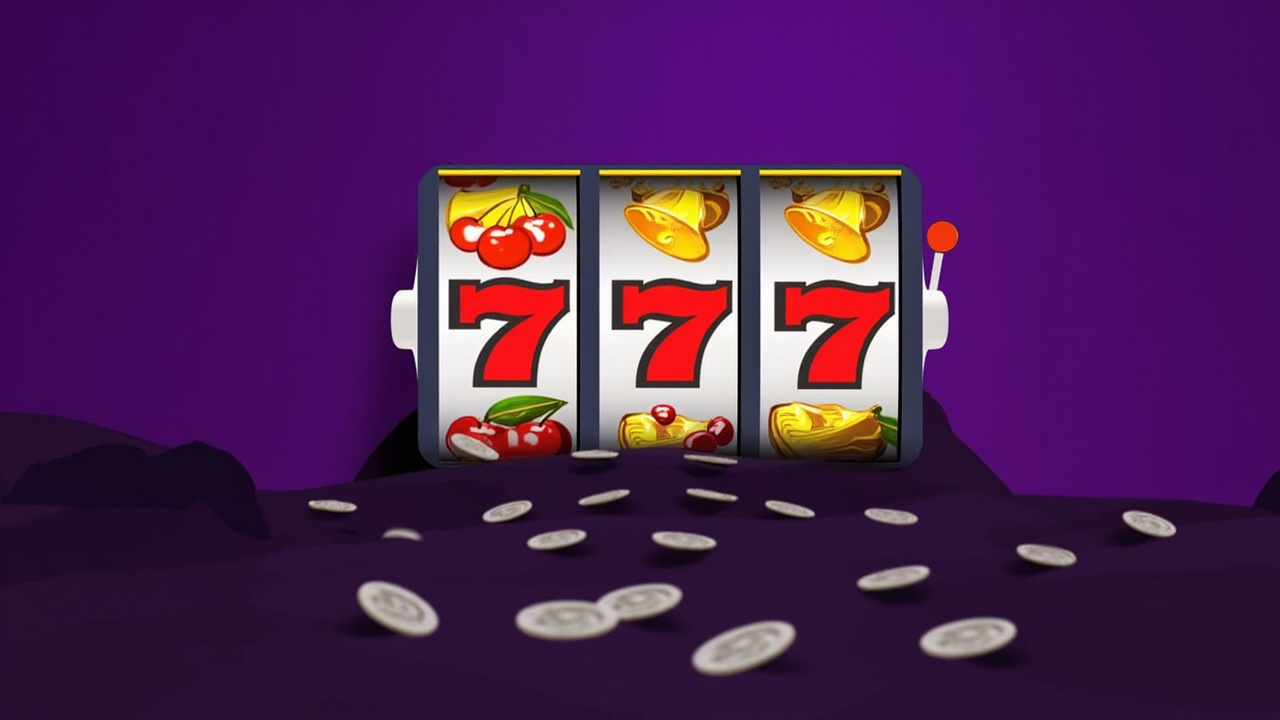
The first thing worth checking is the mix, because a lobby that leans too heavily on one style of slot will start to feel like a stall after a couple of sessions. A credible catalogue should hold a spread of video slots, a sensible number of classic fruit-style reels, and enough table or live content to give a player a genuine alternative when the reels are not calling. The point is not variety for its own sake; it is whether you can move between a five-reel video slot, a blackjack table, and a live dealer stream without the lobby feeling like three separate products stitched together.
Provider depth matters here, because the house edge is the built-in mathematical advantage that guarantees casinos profit over time, and that reality does not change depending on how polished the lobby looks. What does change is how quickly you can tell which titles are built for short sessions and which ones are asking for more patience. A lobby that surfaces provider names, shows practical filters for volatility or hit frequency where those exist, and keeps the search function out of the way until you actually need it is doing the job properly. Discovery should feel like a sorted catalogue, not a wall of thumbnails that rewards only the most patient scrolling.big red pokie machine
On the registration side, a product that treats sign-up as a formality rather than a hurdle tends to age better. Details should be consistent across the board: one currency, one set of payment routes, and a clear explanation of what happens when you want to move money in or out. The mobile experience should not be a reduced version of the desktop lobby that loses its search and filters; it should be the same catalogue, repacked for a smaller screen without making you hunt for the same controls twice. Support has to be reachable without a scavenger hunt, and any loyalty programme worth its name should reward ordinary play rather than sounding like a separate product you have to decode.
For people who already spend their working week judging commercial offerings, the useful test is whether the lobby holds together when you are not looking at it with fresh eyes. If the game mix, the provider list, and the search tools all point in the same direction, the session starts from a better place. That is the kind of setup worth comparing against notes on a Canberra tech and gaming read when you are trying to sort product design from marketing noise, because the difference shows up in whether the lobby helps you decide or merely keeps you clicking.
How the browser angle changes the session
A browser-based approach is not magic, and it is not a substitute for product quality, but it does shift a few practical priorities. The obvious one is clutter: fewer background requests, fewer pop-unders, and less of the redirect behaviour that turns a five-minute session into a ten-minute cleanup exercise. For someone who already manages commercial traffic or media schedules, that cleaner session flow is not a luxury; it is the difference between a game that fits into a break and one that leaves a browser tab open long after you meant to close it.
The less obvious point is consistency. A product that runs cleanly in a modern browser without asking you to juggle extensions or second-guess what is loading is easier to judge on its own terms. You can see whether the lobby search works, whether the filters actually narrow the catalogue, and whether the same game behaves the same way from one session to the next. That matters because a lobby that is hard to read on a first visit often stays hard to read, and no amount of smooth loading fixes a catalogue that was never organised in the first place.
There is also a practical example worth keeping in mind for an ordinary Australian reader. Imagine a person finishing a long Thursday, sitting down with a coffee in the evening, and wanting a short session that does not require a new account maze or a browser full of unrelated tabs. If the lobby is organised well, that person can pick a slot, check the provider, and move on in a few minutes without the session turning into a project. If it is not, the same person is still there twenty minutes later, scrolling past the same thumbnails and wondering why the search bar never quite landed where it should. The browser can make the session cleaner, but it cannot rescue a lobby that was not built with discovery in mind.
Australian pokies must be tested and approved before entering venues, and that regulatory reality is a useful reminder that presentation is only one part of the picture. The same discipline applies to any product you choose to spend time with: the question is whether the mechanics, the limits, and the information around them are presented plainly enough that you can make a sensible call before you start. A cleaner browser session helps with that, because it leaves less room for the kind of background noise that turns a straightforward choice into a guessing game.
Where the practical limits sit before you start
The useful part of any review is the part that tells you what the product is not doing for you. A browser-based pokies session is not a way around ordinary verification, geo requirements, or the basic maths that sits behind every title. The house edge remains what it is, and no amount of interface polish changes the fact that a session is still a session, with the same need to read the rules, check the limits, and decide in advance how long you want to stay.
Payment and currency clarity matter here, because a product that keeps its money routes and limits consistent is easier to treat as a normal commercial offering rather than a mystery. Registration should be straightforward without being careless, and support should be able to answer a plain question without making you work for it. Loyalty, if it exists, should be easy to understand: ordinary play should be reflected in ordinary rewards, not buried in a structure that only makes sense after you have already spent time inside it.
For a Canberra-adjacent reader, the practical test is whether the whole thing fits into a normal evening without asking for more attention than it returns. If the lobby is clear, the game mix is broad enough to matter, and the browser experience stays clean, the product has a fair chance of earning a repeat session. If any one of those pieces is missing, the session starts to feel like work, and that is usually the point where a player who already has enough on the plate decides to move on.
Practical questions before you spend time in the lobby
What should I check first when I open the lobby?
Start with the game mix and the search tools, because those tell you whether the catalogue is organised or merely crowded. A useful lobby lets you narrow by provider, slot style, or table content without making you scroll through the same titles twice, and it keeps the filters where you can actually use them. If the lobby feels sorted from the first minute, you are in a better position to decide whether the session is worth your time.
Does a cleaner browser session actually change the experience?
It changes the background noise, not the maths, and that distinction matters. Fewer redirects and a cleaner loading flow can make a short session feel less like a chore, but the product still has to тут hold up on its own: the game mix, the limits, and the clarity around payments all do the real work. A browser can make the session easier to manage, but it cannot replace a lobby that was built with discovery in mind.
How do I tell whether the product is worth a second session?
Look at whether the same controls and filters work the same way from one visit to the next, and whether the support side answers a plain question without making you hunt for it. If the lobby, the mobile layout, and the payment details all point in the same direction, the product is easier to judge on its own terms. If they do not, you usually know within the first session whether it is worth coming back to.
